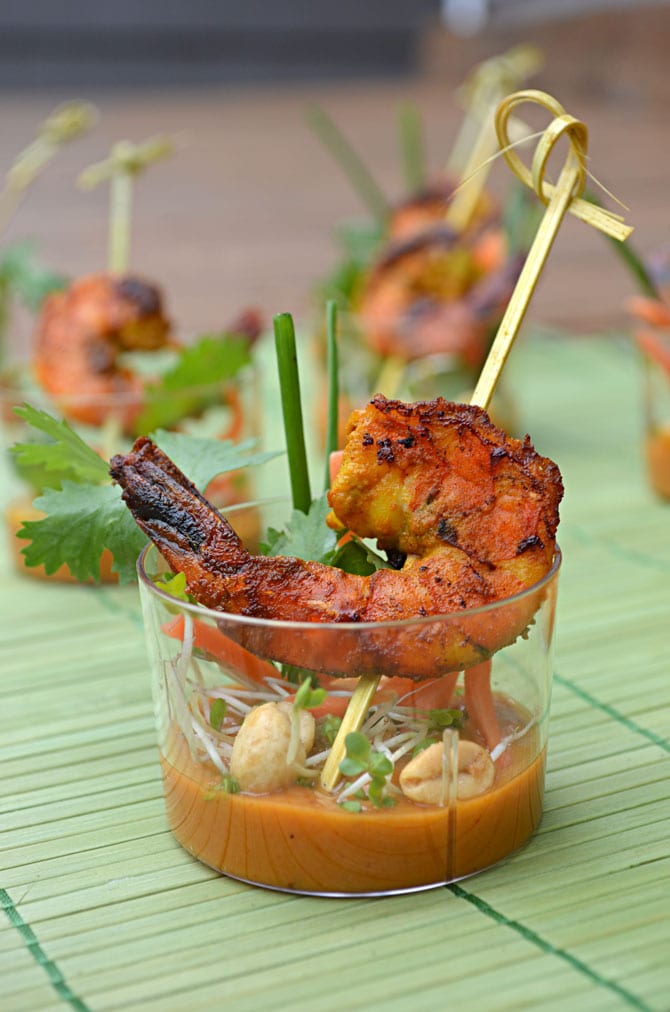
Beyond the Basics: Elevating Your Satay Shrimp Skewers Experience
For many, the mention of satay shrimp skewers - Article 1 evokes images of vibrant street food, tantalizing aromas, and a perfect balance of sweet, savory, and spicy flavors. While a foundational recipe is a great starting point, truly mastering this dish involves delving deeper into technique, ingredient selection, and presentation. This article, the third in our series, is dedicated to helping you elevate your satay shrimp skewers from simply delicious to absolutely unforgettable. We'll explore expert tips for flawless execution, ultimate flavor customization, and how to present them like a pro.
Choosing the Perfect Shrimp and Skewers
The journey to perfect satay shrimp skewers begins with the right ingredients and tools.
- Shrimp Selection: Opt for large (21/25 count) or jumbo (16/20 count) shrimp. Their size prevents overcooking and provides a satisfying bite. While fresh is ideal, high-quality frozen shrimp work wonderfully; just ensure they are fully thawed and patted thoroughly dry before marinating. Always peel and devein your shrimp for the best texture and appearance.
- Skewers: You have two main choices:
- Wooden Skewers: If using bamboo or wooden skewers, it's crucial to soak them in water for at least 30 minutes (preferably longer) before threading. This prevents them from burning on the grill and helps the shrimp cook more evenly.
- Metal Skewers: Reusable and durable, metal skewers conduct heat, which can sometimes cook the shrimp slightly faster from the inside. Choose flat metal skewers if possible, as they prevent the shrimp from spinning when you try to flip them.
Mastering the Marinade: The Heart of Satay Shrimp Skewers
The marinade is where the magic happens, infusing the shrimp with those iconic satay flavors. A well-balanced marinade is key to truly exceptional satay shrimp skewers.
- The Creamy Base: Coconut milk is essential for lending a rich, creamy texture and subtly sweet undertone that complements the spices. Don't skimp on full-fat coconut milk for the best results.
- Aromatic Powerhouses: Freshly minced garlic, ginger, and lemongrass are non-negotiable. For a vibrant yellow hue and earthy notes, a pinch of turmeric powder is traditional. Don't be afraid to add a touch of finely chopped red chili or a dash of sriracha for a gentle kick.
- Sweet and Savory Harmony: Brown sugar or palm sugar provides the necessary sweetness, which caramelizes beautifully during cooking. Balance this with the savory depth of soy sauce (or tamari for gluten-free) and a hint of fish sauce for an authentic umami punch.
- Marinade Time: Shrimp are delicate and absorb flavors quickly. Marinating for 20-30 minutes is usually sufficient, and going beyond an hour can sometimes "cook" the shrimp slightly due to acids in the marinade, leading to a tougher texture.
Grilling, Pan-Frying, or Broiling: Perfecting the Cook
No matter your cooking method, the goal is succulent, perfectly cooked shrimp – never rubbery!
Grilling for Authentic Flavor
Grilling imparts a smoky char that is synonymous with authentic satay. For an even deeper dive into techniques, our satay shrimp skewers - Article 2 offers even more inspiration.
- Preheat Thoroughly: Ensure your grill is hot (medium-high heat) before placing the skewers. This creates a good sear and prevents sticking.
- Clean and Oil Grates: Always clean your grill grates and lightly oil them to prevent the shrimp from sticking.
- Direct Heat is Best: Shrimp cook quickly, so direct heat works well. Place skewers directly over the flame.
- Mind the Time: Shrimp usually cook for only 2-3 minutes per side, depending on their size and grill temperature. They're done when they turn opaque and pink. Overcooking is the biggest pitfall, so watch them closely!
- Basting Wisely: You can baste with any leftover marinade, but only do so during the first half of cooking. If using marinade that has touched raw shrimp, boil it for a few minutes before basting for food safety.
Indoor Options: Pan-Frying and Broiling
No outdoor grill? No problem! You can still achieve fantastic results indoors.
- Pan-Frying: Use a heavy-bottomed skillet or cast iron pan over medium-high heat with a tablespoon of high-smoke-point oil (like avocado or grapeseed). Cook skewers for 2-3 minutes per side until perfectly pink and opaque.
- Broiling: Line a baking sheet with foil and place skewers on top. Broil on high for 2-4 minutes per side, keeping a very close eye on them to prevent burning. The intense heat mimics grilling and can give a lovely char.
Crafting the Ultimate Satay Dipping Sauce
While the marinade sets the stage, the accompanying peanut dipping sauce is the co-star, adding another layer of rich, nutty, and vibrant flavor that truly defines satay shrimp skewers.
Homemade vs. Store-Bought: What to Look For
- Homemade Advantage: Making your own satay sauce allows for complete control over ingredients, spice levels, and consistency. It almost always tastes fresher and more vibrant.
- Enhancing Store-Bought: If time is short, a good quality store-bought satay sauce can be a lifesaver. To elevate it, whisk in a splash of coconut milk, a squeeze of fresh lime juice, a spoon of brown sugar, and a dash of sriracha or finely chopped fresh chili. Freshly crushed peanuts and cilantro are also excellent additions.
Key Ingredients for a Robust Peanut Sauce
A truly great peanut sauce strikes a harmonious balance between creamy, tangy, sweet, savory, and spicy.
- Peanut Butter: Creamy or chunky, natural peanut butter (without added sugars or oils) offers the best flavor.
- Liquid Base: Coconut milk, water, or vegetable broth can thin the sauce to your desired consistency. Coconut milk adds extra creaminess.
- Acids: Fresh lime juice is paramount for brightness and tang. A touch of rice vinegar can also be used.
- Sweeteners: Honey, brown sugar, or palm sugar balances the richness of the peanuts and the acidity.
- Umami Depth: Soy sauce or tamari provides saltiness and umami, while a dash of fish sauce deepens the flavor profile.
- Heat Factor: Sriracha, sambal oelek, or red chili flakes allow you to customize the spice level.
- Aromatics: Minced garlic and ginger are also excellent in the dipping sauce for an extra layer of flavor.
Consistency and Serving Temperature
Aim for a consistency similar to thick pancake batter or pourable yogurt. If it's too thick, add a little water or coconut milk; if too thin, simmer gently to reduce or add a touch more peanut butter. Satay sauce is typically served warm or at room temperature, allowing its complex flavors to shine. For more foundational recipes and initial tips on creating your own delicious satay shrimp skewers - Article 1, be sure to check out our first guide.
Creative Pairings and Presentation Ideas
Don't just cook your satay shrimp skewers – present them! Thoughtful pairings and presentation can transform them into a show-stopping appetizer or a complete, satisfying meal.
Accompaniments for a Full Meal
- Rice Varieties: Classic jasmine rice is always a winner. For extra flavor, try coconut rice or a simple turmeric-infused rice.
- Noodle Dishes: Serve alongside a light stir-fried noodle dish, pad Thai, or even a simple rice vermicelli salad.
- Fresh Salads: A refreshing cucumber salad, a vibrant Asian slaw with a sesame-ginger dressing, or a simple green salad can cut through the richness of the satay.
- Steamed Vegetables: Lightly steamed broccoli, green beans, or bok choy provide a healthy and colorful contrast.
Appetizer Platter Perfection
- Garnishes Galore: Fresh cilantro, finely chopped spring onions, a sprinkle of crushed roasted peanuts, and lime wedges are essential for both visual appeal and a burst of freshness.
- Dipping Bowls: Serve the peanut sauce in small individual dipping bowls alongside each skewer for a clean and elegant presentation.
- Complementary Finger Foods: Arrange the shrimp skewers on a platter with other Asian-inspired appetizers like spring rolls, edamame, or mini chicken satay for a diverse spread.
Beverage Pairings
The bold flavors of satay pair well with a range of beverages:
- Wine: A crisp Riesling, a zesty Sauvignon Blanc, or even a light Pinot Grigio can complement the flavors.
- Beer: Light lagers, pilsners, or even a refreshing wheat beer work well to cleanse the palate.
- Non-alcoholic: Iced jasmine tea, sparkling water with a squeeze of lime, or fresh lemonade offer refreshing alternatives.
Troubleshooting Common Satay Shrimp Skewer Challenges
Even seasoned cooks encounter issues. Here's how to tackle common problems:
Overcooked Shrimp?
- Prevention is Key: Shrimp cook very fast. Stay by the grill/pan/broiler and remove them immediately once they turn opaque pink. A slight curl is fine, but tight, C-shaped shrimp are usually overcooked.
- Practice Makes Perfect: Get to know your cooking equipment and adjust timings accordingly.
Marinade Not Sticking?
- Dry Shrimp: Always pat your shrimp very dry with paper towels before marinating. Excess moisture can dilute the marinade and prevent it from adhering.
- Thickening Agent (Optional): For a thicker marinade that clings better, you can whisk in a tiny amount of cornstarch before adding the shrimp, though this is not always necessary for satay.
Skewers Burning?
- Soak Wooden Skewers: As mentioned, this is vital. Soak for at least 30 minutes, ideally longer.
- Use Metal Skewers: A great alternative to avoid burning.
- Indirect Heat: If parts of your grill are too hot, move the skewers to a slightly cooler spot.
By applying these detailed tips and techniques, you're now equipped to move beyond basic recipes and truly master the art of making exceptional satay shrimp skewers. From selecting the freshest ingredients to perfecting your cooking method and presenting them beautifully, each step contributes to a dish that is bursting with flavor and guaranteed to impress. Enjoy the journey of culinary discovery!
